

Let’s be honest. Standard home weatherproofing just doesn’t cut it anymore. Not when wildfires turn the sky orange, when rain falls in biblical proportions, or when heatwaves linger for weeks. If you’re building or retrofitting in an extreme climate zone, you need a different playbook. One that thinks not just about sealing a house, but about fortifying a sanctuary.
This isn’t about fear. It’s about smart, resilient design. It’s the difference between a home that merely survives and one that thrives, providing comfort and security no matter what’s happening outside. Let’s dive into the advanced strategies that are redefining resilience.
The New Fundamentals: It’s a System, Not a Product
Forget the caulk gun as your first line of defense. True resilience starts with a holistic view. Think of your home like a ship designed for rough seas—every component, from the roof down to the drainage, has to work in concert.
The Air Barrier is King (or Queen)
In high-wind zones or areas with extreme temperature swings, controlling air movement is everything. A continuous air barrier—a meticulously sealed layer wrapping the entire building envelope—is non-negotiable. This isn’t just Tyvek slapped on with staples. We’re talking taped sheathing, gasketed windows, and sealed penetrations. The goal? To make the building airtight. This reduces energy loss, sure, but more critically, it prevents moisture-laden air from sneaking into walls and causing rot or mold. It’s the unsung hero of durability.
Water Management: The “Shed, Drain, and Dry” Philosophy
You can’t always stop water, but you can absolutely control it. Advanced strategies employ a layered approach:
- Shed it: Steep roof pitches, large overhangs (think 24 inches or more), and hydrophobic coatings. In wildfire-prone areas, this also helps deflect embers.
- Drain it: This goes beyond gutters. We’re talking graded site work, French drains, and even permeable paving to let the ground drink up water instead of letting it pool against your foundation.
- Dry it: Use moisture-resistant materials like mineral wool insulation and drainage planes behind siding. Allow walls to breathe and dry out if moisture does get in.
Material Science to the Rescue
Gone are the days of one-size-fits-all siding and shingles. The market now offers armor for your home. Here’s a quick breakdown of some top contenders for different threats:
| Climate Threat | Material & Strategy | Key Benefit |
| High Heat & UV | Cool roof coatings (elastomeric, ceramic), fiber-cement siding | Reflects solar radiation, reduces heat absorption, prevents material breakdown. |
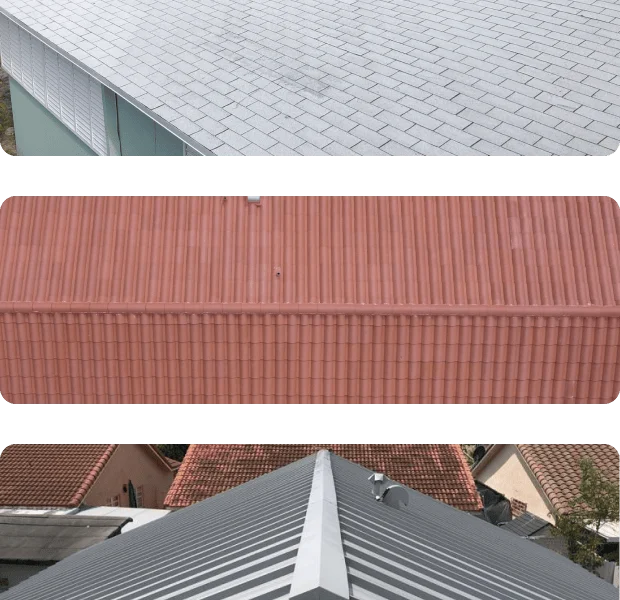
| Wildfire (Embers) | Class A rated roofs (metal, tile), fire-resistant siding (stucco, fiber-cement), ember-resistant vents. | Resists ignition from floating embers—the primary cause of home ignition in wildfires. |
| Coastal/Salt Spray | Stainless steel fasteners, corrosion-resistant flashing (copper or coated), pressure-treated wood. | Fights the relentless corrosion that eats standard materials alive. |
| Heavy Rain & Humidity | Rainscreen cladding systems, closed-cell spray foam insulation (in specific applications). | Creates a drainage & ventilation gap behind siding, walls stay drier. |
Honestly, the right material choice is a game-changer. It’s like choosing the right fabric for a expedition jacket—you wouldn’t wear a raincoat in the desert.
Beyond the Shell: Windows, Power, and the “Safe Zone”
Okay, you’ve got a tight, well-clad shell. What about the holes in it—the windows? And what happens when the grid fails for days?
Glazing That Does Heavy Lifting
In extreme zones, triple-pane windows aren’t just a luxury. They’re a core resilience feature. They provide superior insulation against Arctic cold and desert heat. For hurricane zones, impact-resistant glazing—which holds together even when shattered—is a must for both safety and maintaining the building envelope during a storm. And in fire zones, tempered glass can better withstand radiant heat.
The Resilient Core: Backup Power and Water
Resilience means maintaining basic function during an outage. This is where the conversation shifts from the building to its systems.
- Solar + Battery Storage: This duo is becoming the gold standard. It keeps lights on, fridges cold, and medical devices running. It’s independence.
- Water Resilience: A simple rainwater harvesting system with a good filter can be a lifeline. For colder climates, a protected, heat-traced pipe for an external water hookup can prevent freeze-ups.
- Creating a “Safe Room”: Sometimes, you only need to fortify part of the home. An interior room, preferably with no windows, can be reinforced for shelter-in-place during tornadoes or wildfires, with its own independent air filtration.
The Human Factor: Design for Reality
All the tech in the world fails if the design ignores how people live—and how climate change is altering that. Here’s the deal: we need to design for psychological comfort as much as physical.
In relentless heat, that means designing for cross-ventilation even when the AC is off—think operable clerestory windows and strategic ceiling fans. It means using deep porches for shade, creating a transitional space between the harsh exterior and the cool interior. In stormy regions, it means having a clear, protected path for securing shutters or bringing in patio furniture.
It’s about foresight. Like, where will snow melt from that roof valley? Right onto the front walkway, creating an ice hazard. Small details, big consequences.
A Final Thought: Resilience is an Investment, Not a Cost
Building this way might add upfront cost. There’s no sugar-coating that. But frame it differently: it’s an investment in risk reduction, in long-term maintenance savings, and frankly, in peace of mind. As weather patterns become more volatile, these features are shifting from “premium upgrades” to core components of sensible construction in extreme climate zones.
The goal isn’t to build a bunker. It’s to create a home that feels effortlessly secure, that stands the test of time and weather, giving you one less thing to worry about when the skies darken or the thermometer soars. That’s the real ROI—a haven that endures.