

Let’s be honest. When you need a new roof, the first number you look at is the price tag. That initial quote can be a gut punch. So, it’s tempting—really tempting—to choose the cheapest option and move on. But here’s the deal: that upfront cost is just the first chapter in a much longer, more expensive story.
Choosing a roofing material is a 20, 30, even 50-year decision. To make a smart one, you need to think like a financial analyst for your home. That means looking beyond the install price and diving into the total lifecycle cost. We’re talking about durability, maintenance, energy bills, and even what happens to the roof when it’s finally done. Let’s break it all down.
What is Lifecycle Analysis for Roofing? It’s Not Just Shingles
In simple terms, a lifecycle analysis looks at a product’s entire journey—from cradle to grave. For your roof, that means:
- Raw Material & Manufacturing: How it’s made and the environmental cost to get it.
- Installation & Upfront Cost: The price of materials and labor to put it on.
- Service Life & Performance: How long it lasts and what you must do to maintain it.
- End-of-Life: Can it be recycled? Or does it end up in a landfill?
When you layer the long-term cost of ownership over this lifecycle, the “cheapest” option often fades. A metal roof might cost twice as much as asphalt shingles upfront. But if it lasts three times as long and slashes your cooling bills? The math changes dramatically.
The Long-Term Cost Breakdown: Where Your Money Really Goes
Okay, let’s get into the nitty-gritty. The true cost of a roof is a sum of several parts, some obvious, some hidden.
1. The Upfront Investment (The Tip of the Iceberg)
This is the number you know. Material and labor. Asphalt shingles are the low-cost leader here. Materials like slate, tile, or standing seam metal sit at the premium end. But this is just your entry fee.
2. Maintenance and Repair Costs (The Slow Drip)
This is where materials start to diverge. Asphalt shingles are relatively low maintenance, but they are susceptible to wind uplift, algae growth (those black streaks), and granule loss. Over 20 years, you might face a repair or two.
Metal roofs? Honestly, they’re pretty much “install and forget” for decades. Tile and slate are incredibly durable but can be brittle—walking on them for maintenance can cause cracks, requiring specialized (and costly) pros.
3. Energy Efficiency Impact (The Silent Budget Killer or Saver)
This is a huge one, especially with rising energy costs. Your roof is your home’s largest sunshield. Light-colored or “cool” roofing materials reflect solar energy. Metal roofs, for instance, can be coated with reflective pigments. This isn’t just a minor perk; it can reduce cooling costs by 10-25%.
Asphalt shingles, particularly darker ones, absorb heat. That heat transfers into your attic, making your AC work harder. Over 20 years, that difference can add up to thousands of dollars.
4. Replacement Timeline (The Inevitable Do-Over)
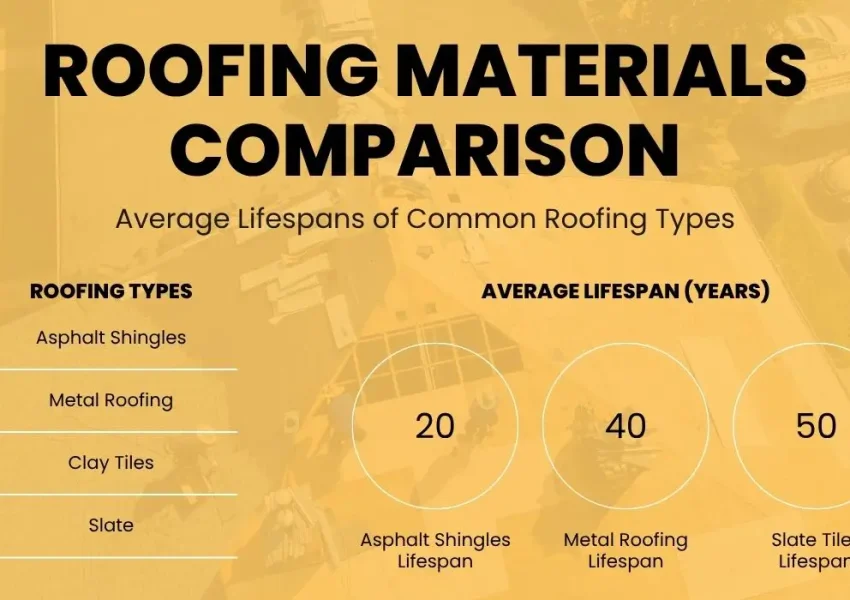
Lifespan is the ultimate dictator of long-term cost. Think of it this way: if you install a 50-year roof, you pay that big upfront cost once. A 20-year roof? You’ll likely pay for it twice, plus inflation on labor and materials, during the same period.
| Material | Typical Lifespan | Replacement Factor Over 50 Years |
| 3-Tab Asphalt Shingles | 15-20 years | 2-3 times |
| Architectural Asphalt Shingles | 25-30 years | 1-2 times |
| Metal Roofing (Standing Seam) | 40-70 years | Likely once |
| Clay/Concrete Tile | 50-100 years | Once, if ever |
| Natural Slate | 75-150+ years | Once, if ever |
5. End-of-Life and Disposal (The Final Bill)
It’s the end of the road. What happens? Millions of tons of old asphalt shingles end up in landfills every single year. It’s a massive waste stream. Metal roofing, on the other hand, is almost 100% recyclable at end-of-life—often with scrap value. Tile and slate can sometimes be reclaimed and reused, a beautiful form of recycling.
Comparing Common Materials: A Lifecycle Lens
Let’s put this framework on some popular choices. Imagine you’re not just buying a roof, but hiring an employee for decades. What’s their total compensation package?
Asphalt Shingles (The “Budget” Hire): Low signing bonus (upfront cost). Requires moderate attention (maintenance). Might underperform on hot days (energy inefficiency). And you’ll almost certainly need to re-hire for the position in 20-30 years (replacement + disposal costs).
Metal Roofing (The Premium Hire): Higher signing bonus. Exceptional at the job from day one (durability, energy reflectivity). Requires minimal management. Stays with the company for its entire life. And when it does retire, it leaves gracefully (recyclable).
Tile & Slate (The Legacy Hire): Very high signing bonus and specialized onboarding (installation). Unmatched tenure and prestige. But if they get injured (cracked tile), you need a very expensive specialist to fix it. Their legacy, however, can outlive the house itself.
The Intangible Factors: What You Can’t Quantify (But Still Matters)
Cost isn’t just dollars. It’s hassle. It’s peace of mind. A more durable roof means fewer worries during storms. It can mean better home insurance rates. It absolutely impacts your home’s resale value—a long-life roof is a powerful selling point.
There’s also, you know, the environmental cost. The embodied energy in manufacturing and the landfill waste. For many homeowners today, that’s part of the ownership calculus too.
Making the Smart Choice for Your Home
So, how do you apply this? First, ask your roofer different questions. Don’t just ask “How much per square?” Ask:
- “What’s the expected lifespan with our local weather?”
- “What does typical maintenance look like, and what does that cost?”
- “Are there energy-efficient options or coatings for this material?”
- “What are the disposal or recycling options at end-of-life?”
Run the numbers for your situation. If you plan to stay in your home for 10 years, a 30-year architectural shingle might be the perfect financial fit. If this is your forever home, investing in a 50-year metal or tile roof spreads that cost over decades and grants you incredible peace of mind.
In the end, the most expensive roof is the one you have to replace before its time. By looking at the full lifecycle—the whole story, not just the first page—you move from being a simple consumer to a savvy steward of your biggest investment. You choose not just a covering, but a long-term partner for your home.